The three sacred months that prepare the soul, realign the heart, and transform the believer.
What Makes Rejab, Syaaban, and Ramadhan Spiritually Unique?
Life can move fast. Caught in our daily responsibilities, it’s easy to feel spiritually distant — like we’re trying to reconnect, but not sure where to start.
In the Islamic calendar, Allah ﷻ gifts us with moments that pull us gently back to Him. Among them, Rejab, Syaaban, and Ramadhan are like three sacred heartbeats — divinely placed to revive the soul.
These are not just months. They are opportunities — to return, to reflect, and to realign. And when understood as a sequence, their power becomes deeply transformative.
What Did the Prophet ﷺ Do in These Sacred Months?
Rejab: The Month of Istighfar and Peace
"Indeed, the number of months with Allah is twelve [in a year]… of which four are sacred."
Surah At-Tawbah (9:36), The Qur’an
Rejab is one of the Ashhurul Hurum (Sacred Months) where acts of worship are magnified and sins are more serious.
Recognised by scholars as a month of mercy, Rejab presents a meaningful opportunity to engage in:
Istighfar (seeking forgiveness)
Reflection
Spiritual reset
A widely cited narration, often shared for spiritual reflection, adds insight:
“Rejab is the month of Allah, Syaaban is my month, and Ramadhan is the month of my Ummah.” Narrated by Abu Bakr, recorded in Bayhaqi.
It remains valuable for spiritual contemplation, not for legal rulings.
Syaaban: The Prophet’s ﷺ Month of Consistency
Aishah (RA) said: “I never saw the Messenger of Allah ﷺ fast a complete month except for Ramadhan, and I never saw him fast more than he did in Syaaban.”
Sahih al-Bukhari (1969), Sahih Muslim (782)
Syaaban is the bridge between purification and transformation.
It is the month where:
The Prophet ﷺ fasted more than any other month outside Ramadhan
Worship increases quietly — without the attention that Ramadhan usually brings
Deeds are said to be raised to Allah during this time
(Narrated in Nasai 2357, Sahih by Albani)
Why fast in Syaaban?
Because it prepares the body and soul for Ramadhan — both physically and spiritually.
Ramadhan: The Month of Qur’an, Mercy, and Renewal
“The month of Ramadhan [is that] in which was revealed the Qur’an — a guidance for mankind and clear proofs of guidance and criterion.”
Surah Al-Baqarah (2:185), The Qur’an
Ramadhan is not just about abstaining from food — it is a complete system of purification:
Fasting trains the soul in taqwa (God-consciousness)
Qur’an recitation reconnects us to divine speech
Prayer and charity draw us closer to Allah ﷻ and to others
The Prophet ﷺ said:
“When Ramadhan begins, the gates of Paradise are opened, the gates of Hell are closed, and the devils are chained.”
— Sahih al-Bukhari (1899), Sahih Muslim (1079)
Ramadhan is the crown of the Islamic year — but Rejab and Syaaban are its foundation.
Why These Months Still Matter Today
In a world of endless distractions, these three months are a divine reset.
Rejab helps us pause and purify intention
Syaaban helps us practice with consistency
Ramadhan helps us transform through devotion
Together, they follow a divine pattern:
Mercy → Discipline → Transformation
Just as the heart needs a beat to sustain life, iman needs these spiritual rhythms to stay alive.
These months are not burdens. They are mercy in motion.
"Allah wants ease for you, not hardship."
Surah Al-Baqarah (2:185)
At El-Malja, we don’t just mark the months.
We walk with you through them — with services that are spiritually rooted, emotionally supportive, and Sunnah-aligned.
Services That Prepare the Heart and Home
Majlis & Doa Gatherings
Mark the months with remembrance and reflectionBless & Cleanse Rituals
Invite barakah into your home and prepare spirituallySadaqah & Infaq Initiatives
Begin giving before Ramadhan for multiplied blessingsBadal Umrah Arrangements
For those unable to travel, fulfill a loved one’s Umrah rewardIslamic Consultation
Get guidance on fasting, giving, and spiritual readiness
Every service is conducted with rahmah (mercy) and amanah (trust) — from womb to tomb.
When you engage with El-Malja’s services, you’re not only preparing yourself.
You’re uplifting the ummah.
Your support contributes to:
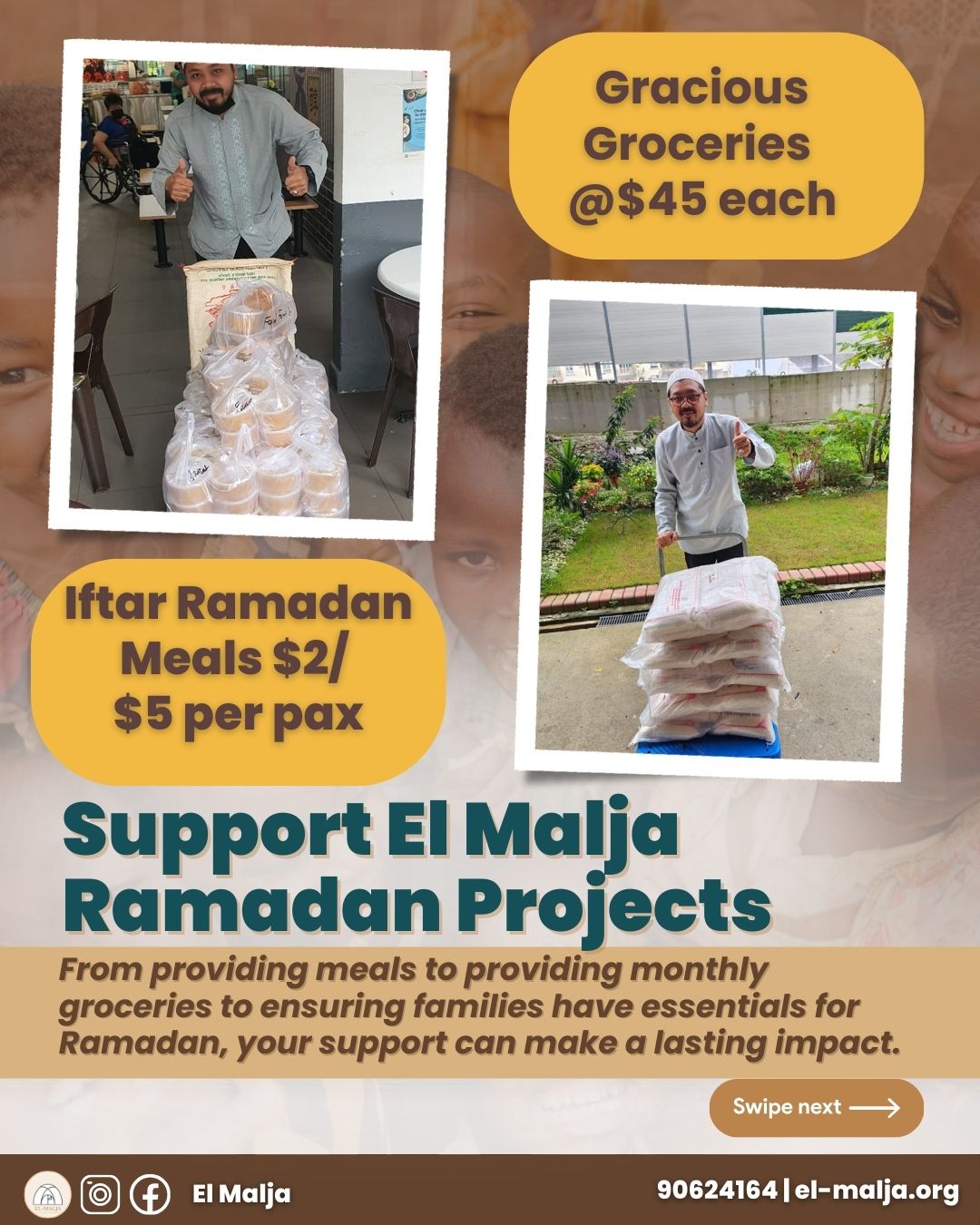
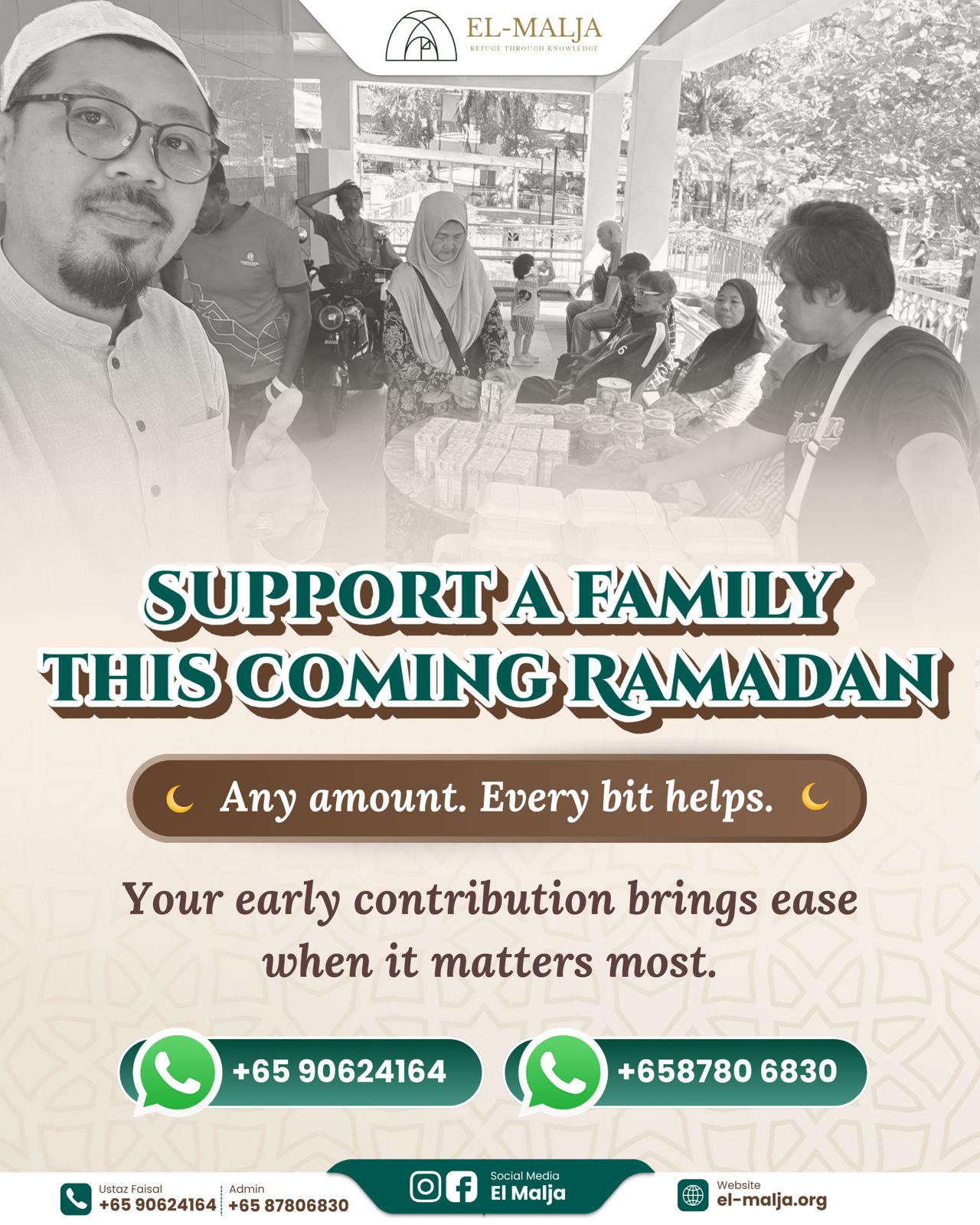
Daily Iftar Sponsorships
Distribution of Qur’ans & Essentials to Families in Need
“Whoever relieves a believer’s hardship, Allah will relieve his hardship on the Day of Judgement.”
— Sahih Muslim (2699)
Through your actions, your ibadah becomes a ripple of mercy.
Let Your Heart Beat in Sync with the Sacred Months
These three sacred months were placed in the Islamic year for a reason.
They are not seasonal traditions.
They are spiritual training grounds that call us back to who we truly are.
Let us walk their path:
In Rejab, let us return with repentance
In Syaaban, let us rise in readiness
In Ramadhan, let us transform in worship
Let El-Malja be your companion — in reflection, in action, and in service to the ummah.
FAQ: Rejab, Syaaban & Ramadhan
Yes, a widely recited (though weak) narration mentions:
“Allahumma barik lana fi Rajab wa Sha’ban wa ballighna Ramadhan.”
Translation: O Allah, bless us in Rejab and Syaaban and allow us to reach Ramadhan.
Reported by Tabarani; though its chain is not the strongest, it is widely embraced for spiritual reflection.
Yes. While not obligatory, fasting in Rejab is encouraged.
Syaaban is especially emphasized by the Prophet ﷺ:
“He used to fast more in Syaaban than any other month, except Ramadhan.”
— Sahih al-Bukhari (1969), Sahih Muslim (782)
Increasing istighfar (seeking forgiveness)
Reviewing your habits
Making sincere intention for change
Starting small acts of sadaqah and reflection
Yes. Many choose to advance their zakat or give sadaqah regularly in Rejab and Syaaban to prepare spiritually and support others early. El-Malja provides daily food sadaqah, infaq, and wakaf options to fulfill this.
We offer:
All guided by Sunnah, carried out with rahmah, and built for the needs of our modern ummah.